Maximizing Natural Light in Latvian Homes
Practical strategies for capturing and enhancing natural daylight throughout winter and summer seasons.
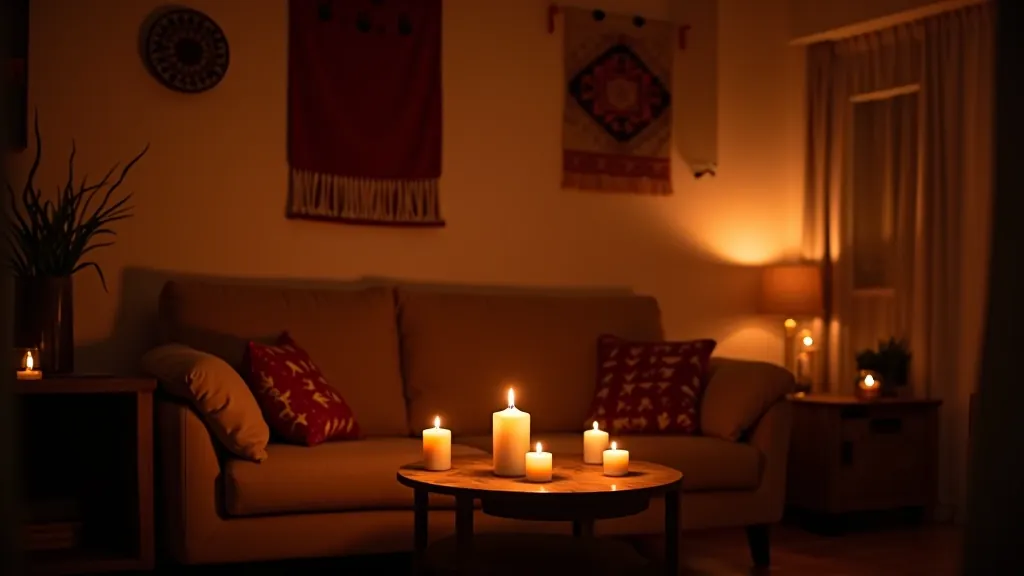
Explore how traditional Latvian candle customs blend with contemporary interior design to create authentic, welcoming home environments throughout the year.
Candles hold a special place in Latvian culture. For centuries, they've lit homes through long winters, marked celebrations, and created moments of warmth and reflection. It's not just about illumination — it's about atmosphere, tradition, and the feeling of home.
Today's lighting design can honor these traditions while bringing modern comfort into our spaces. We're not talking about abandoning electricity or living by candlelight alone. Instead, it's about understanding what made candlelit spaces feel so inviting, and recreating that warmth with thoughtful design choices.
This guide explores the intersection of Latvian candle traditions and contemporary warm lighting design. You'll learn practical techniques for layering light, choosing the right color temperatures, and creating spaces that feel both modern and rooted in tradition.
2700K-3000K creates the amber glow of traditional candles
Combining ambient, task, and accent light for flexibility
Mixing daylight with warm artificial lighting throughout the day
A single candle flame produces light around 1500-2000 Kelvin. That's extremely warm compared to daylight at 5500K. Our eyes evolved over millennia seeing firelight and candlelight, so there's something deeply comforting about that color temperature.
But there's more to it than just color. Candlelight flickers and moves. It creates subtle shadows that dance across walls. Real candles also produce a gentle, diffuse glow that's hard to replicate perfectly with electric lights — though modern warm LED bulbs have gotten remarkably close.
In Latvian homes, particularly during the winter months when daylight lasts only 5-6 hours, candlelit rooms became sanctuaries. They're warm, intimate, and they signal to our brains that it's time to slow down. We're not just talking about visibility here — we're talking about psychology and how light affects our mood and behavior.
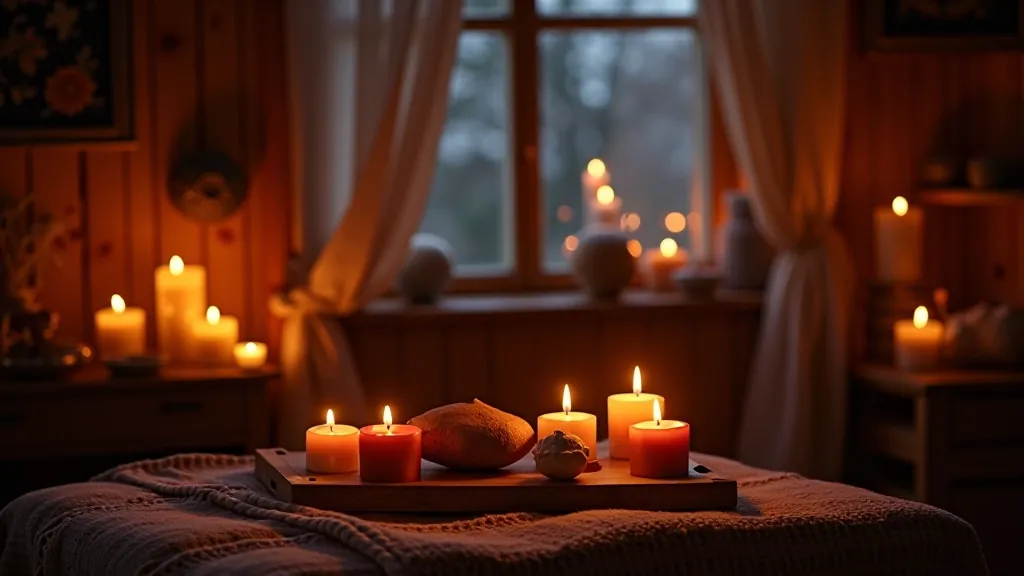
Latvian traditions around candles aren't random. They're deeply connected to the seasons and celebrations. Jāņi (Midsummer) celebrations involve bonfires and candles. Winter solstice gatherings use candlelight to symbolize bringing light back to the darkest time of year. Candles appear at important family moments — births, deaths, celebrations.
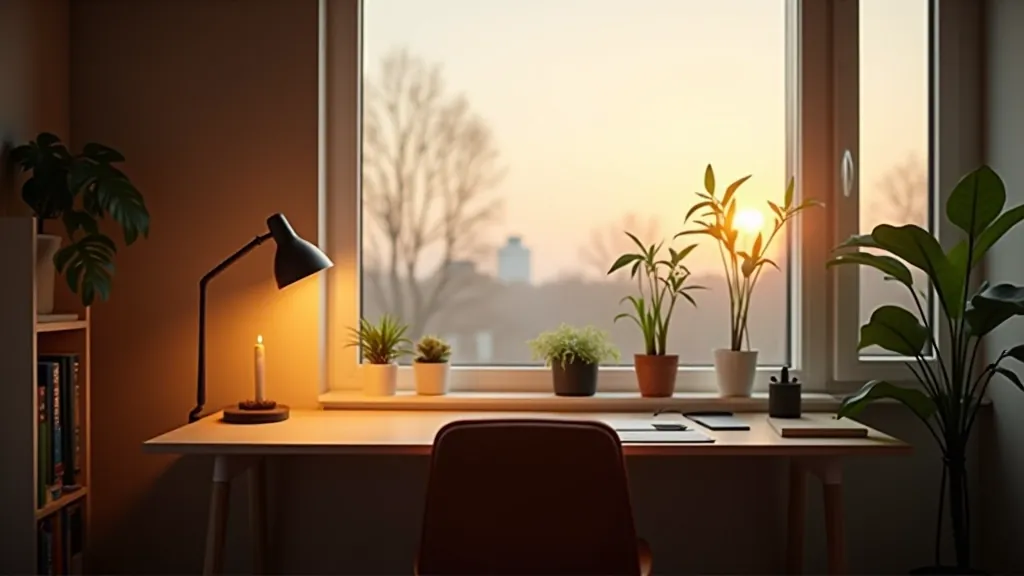
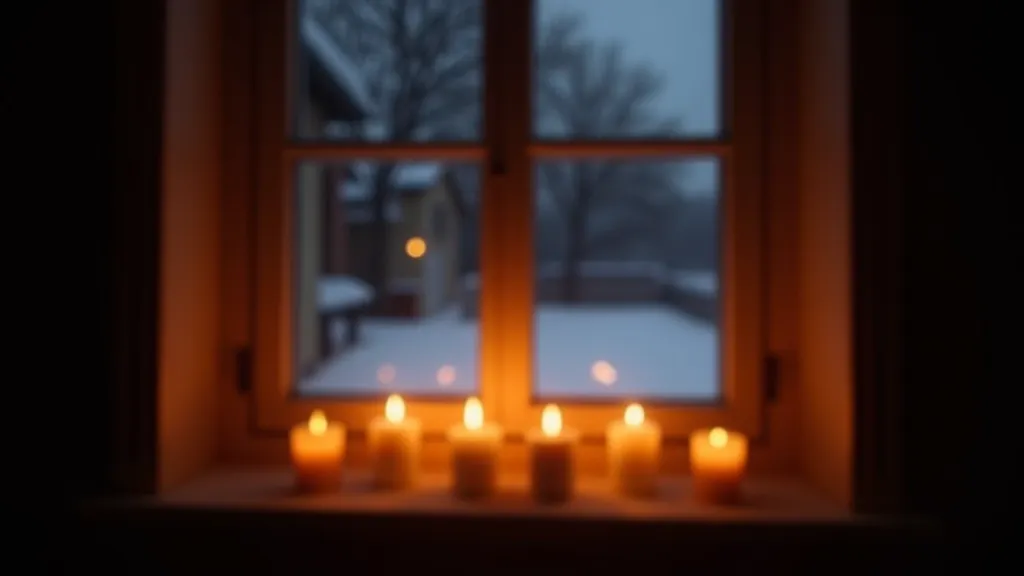
In traditional Latvian homes, you'd find candles in specific places. On windowsills during winter to create visible warmth from the street. On dining tables during family meals. In entryways to welcome guests. These weren't arbitrary placements — they created a layered, functional lighting system that we can learn from today.
The materials mattered too. Beeswax candles were expensive and reserved for special occasions or wealthier households. Tallow candles, made from animal fat, were common but smoky and less pleasant. The quality of light, the smell, the ambiance — all of these created different feelings in a space. Modern design thinking can honor this by choosing quality light sources that genuinely improve our environments.
You don't need to burn candles all evening to achieve that warmth. Here's how to recreate the feeling using contemporary lighting:
Select warm white LED bulbs specifically rated at 2700 Kelvin. This matches traditional candlelight more closely than generic "warm white" bulbs that might be 3000K or higher.
Don't rely on one overhead fixture. Use table lamps, wall sconces, and accent lighting at different heights. This creates the same multi-point lighting effect that candlelit rooms naturally had.
Softer, more diffuse light creates subtle shadows that make spaces feel more dimensional. Use fabric lampshades, frosted bulbs, or indirect lighting rather than bare bulbs.
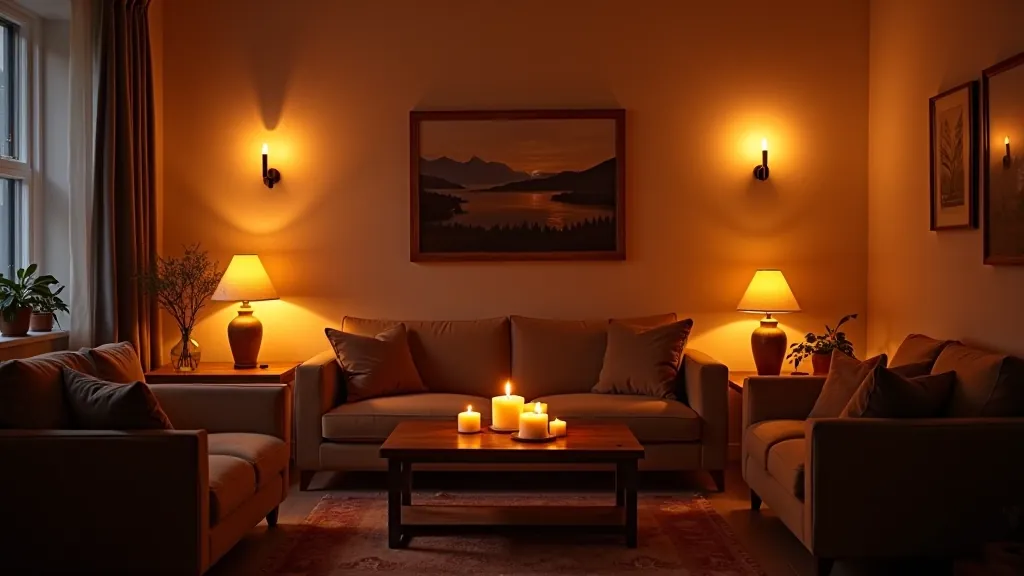
Ready to bring this into your home? Here's what actually works based on Latvian design principles and modern lighting science.
Install dimmable overhead fixtures (or skip them entirely) and add 3-4 table lamps at different heights. Place one lamp on a side table, one on a console, one on a shelf. Use warm linen or paper shades. This creates depth and lets you adjust brightness for different times of day.
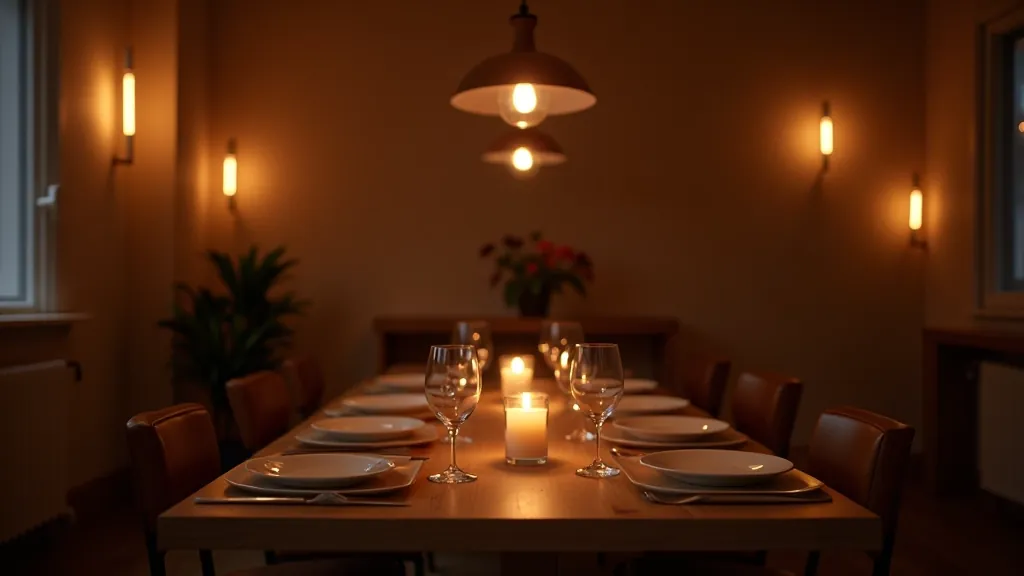
A pendant light over the table works, but pair it with wall sconces on either side or table lamps on a sideboard. Real candles on the dining table add that final traditional touch. The combination of electric and actual candlelight creates an authentic Latvian atmosphere.
Overhead lights should be optional. Bedside table lamps with warm bulbs are essential. Consider a wall-mounted reading light on one side. The goal is creating a space where bright overhead light isn't necessary for evening routines.
Wall sconces flanking an entryway mirror or console create that welcoming candlelit feeling. These spaces set the tone for the whole home. Avoid bright overhead lighting that makes entryways feel cold or institutional.
Latvian seasons demand different approaches to lighting. Winter darkness (November through January sees only 4-6 hours of daylight) requires more artificial warmth. Summer's extended daylight (June has 17+ hours of light) needs different strategies.
Winter is when traditional candlelit ambiance truly shines. This is when you'll want all those layered warm lights running in the evening. Consider adjusting your lighting earlier as days get shorter — start using warm lamps by 4 PM in December rather than waiting until dark.
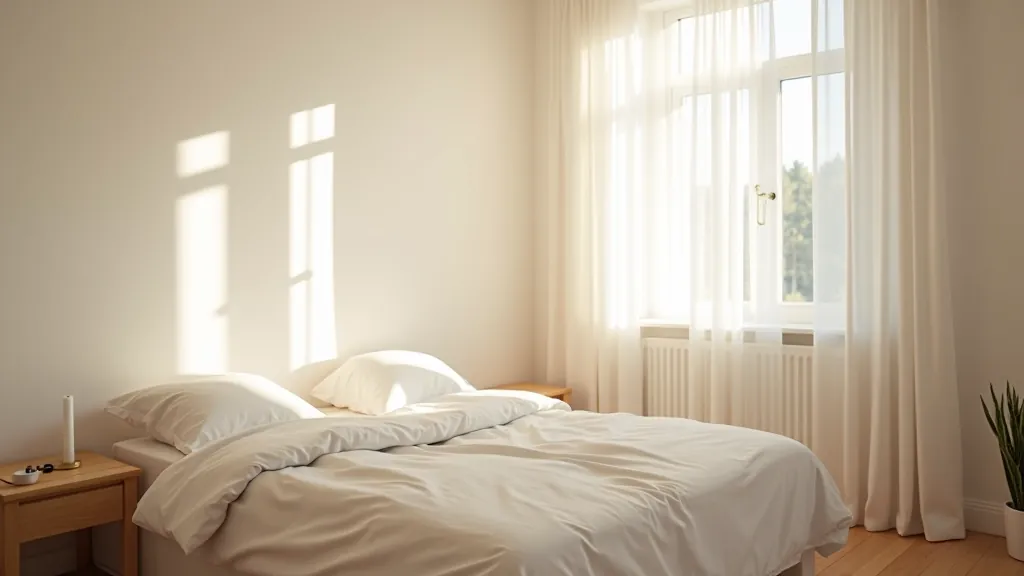
Summer allows you to embrace natural light more fully. Open those heavy curtains. Let daylight be your primary source during extended evening hours. You won't need much artificial light until 9 or 10 PM. This seasonal shift in lighting actually reinforces circadian rhythms and helps regulate sleep patterns throughout the year.
For specific celebrations — Jāņi in summer, winter solstice gatherings, or family occasions — that's when real candles become part of the design. Use them intentionally, not as everyday fixtures. This keeps them special and maintains the tradition's cultural significance.
This article provides educational information about lighting design principles and Latvian traditions. While we've discussed color temperatures and lighting practices, individual preferences vary widely. What feels warm and welcoming to one person might feel different to another. We recommend experimenting with different lighting setups in your own space and adjusting based on your comfort and needs. If you're making significant electrical changes, consult with a licensed electrician to ensure safety and code compliance.