Latvian Candle Traditions and Modern Warm Lighting Design
Explore how traditional Latvian candle customs blend with contemporary interior design principles to create warm, inviting spaces.
Read MoreLearn how combining ambient, task, and accent lighting creates flexible spaces that adapt from energetic daytime use to relaxing evening atmospheres.
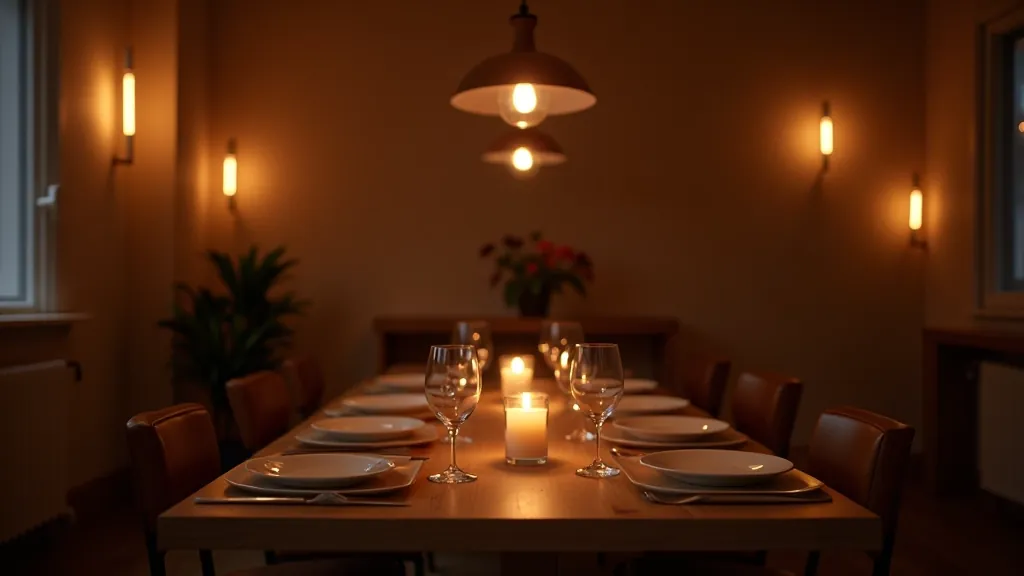
Layered lighting isn't complicated — it's actually the most practical approach to home illumination. The idea's straightforward: you're combining three different types of light sources to create flexible, adaptable spaces. Rather than relying on a single ceiling fixture that's either too bright or too dim, you're building a system that works for different times of day and different activities.
Think about how you actually use your home. In the morning, you need bright, energizing light for getting ready and eating breakfast. By evening, that same harsh brightness feels wrong — you want something softer, warmer, more inviting. Layered lighting solves this problem by giving you multiple options you can adjust as your needs change.
Ambient lighting is your base layer — it's the general illumination that lets you move around safely and see what you're doing. This doesn't mean it has to be bright and harsh. You're aiming for comfortable, even light that fills the space without creating shadows or glare.
In Latvian homes, where winters bring limited natural daylight, ambient lighting becomes especially important. Most people achieve this through ceiling fixtures, recessed lights, or track lighting. The goal's to distribute light evenly across the room — you want to be able to read a book anywhere, not just under one bright spot. Color temperature matters here too. Warmer ambient light (around 2700K) creates a naturally welcoming feeling that works well in living spaces and bedrooms.
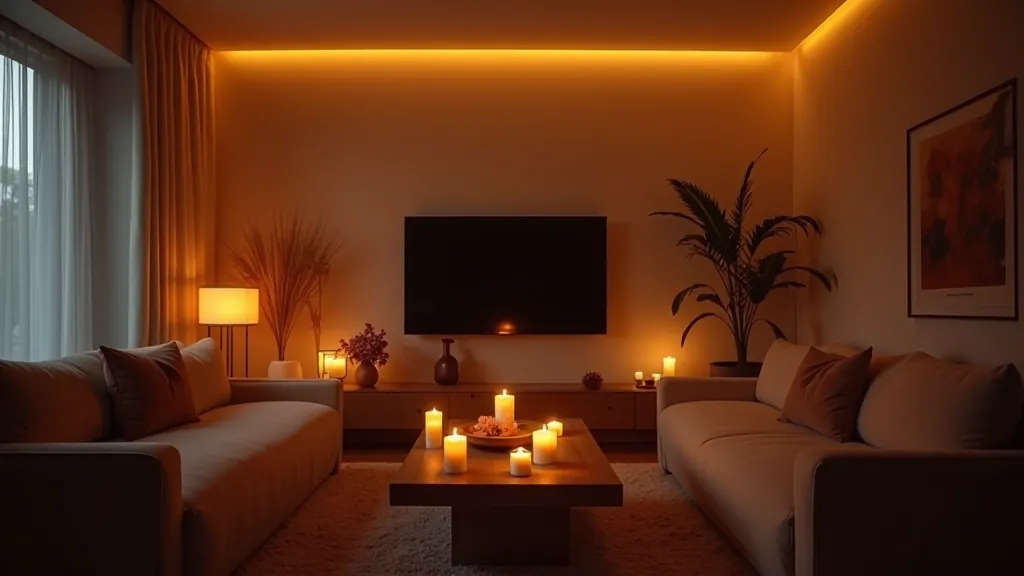

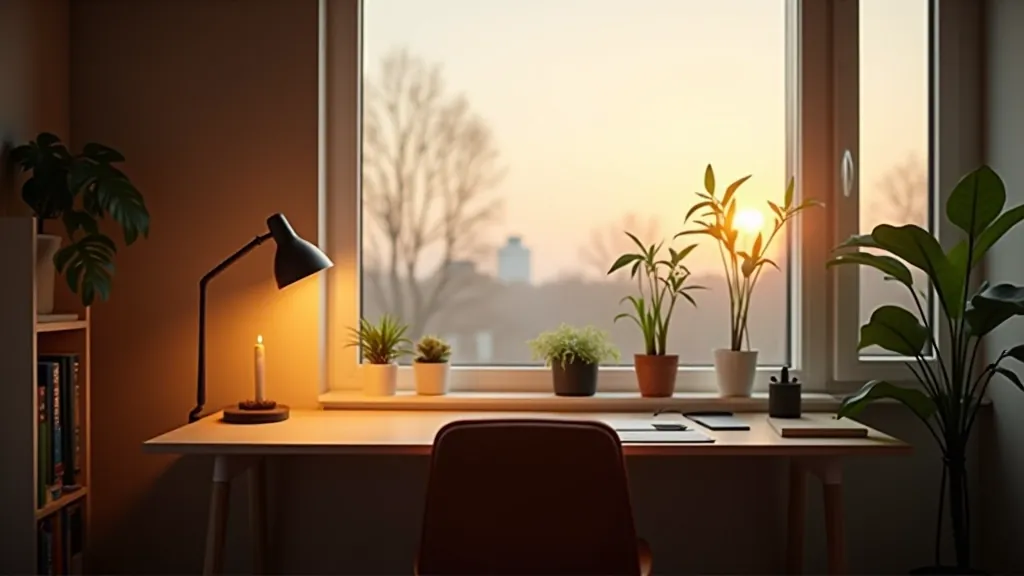
Task lighting does exactly what its name suggests — it lights up the specific areas where you're actually working. Reading, cooking, applying makeup, working from home — these activities all need focused, adequate light. Without proper task lighting, you're straining your eyes and getting frustrated.
The key is positioning task lights so they illuminate your work surface without creating glare on screens or reflections that bother you. Desk lamps, under-cabinet kitchen lights, and bathroom vanity fixtures are all examples of task lighting. You want this light to be brighter than your ambient layer — around 3000-4000K color temperature gives you energy without feeling harsh. Unlike ambient light that's always on, task lighting only needs to be active when you're actually doing the activity.
Many people make the mistake of installing only overhead lights in kitchens and work areas. When you're standing at the counter or sitting at a desk, your own body casts a shadow on your workspace. Adding directional task lighting solves this completely — you'll work faster and more accurately.
Accent lighting is where your space gets personality. These are the decorative light sources that highlight artwork, architectural features, plants, or create visual interest. Accent lights aren't about functionality — they're about making your home feel thoughtful and curated.
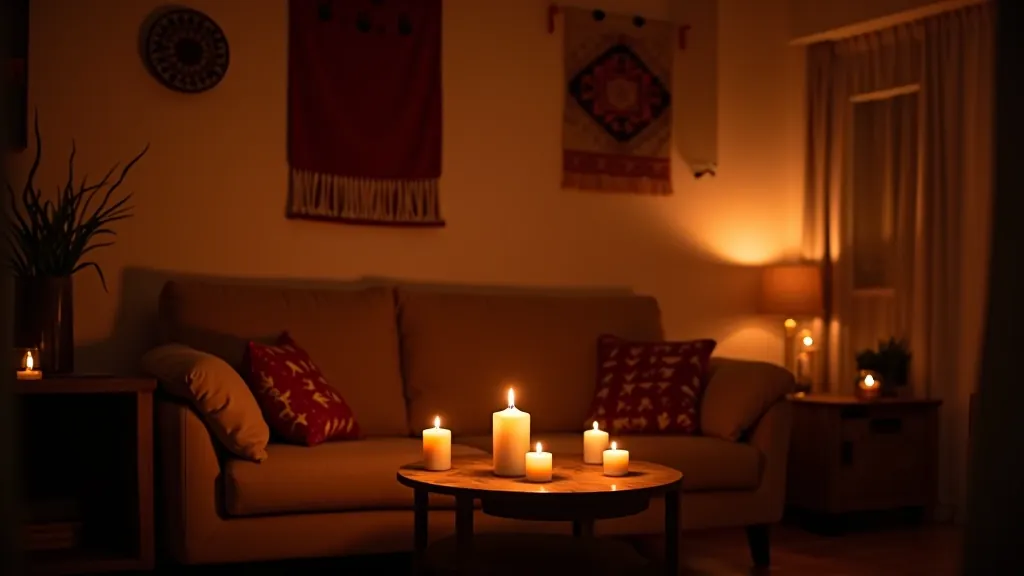
Picture lights above artwork, LED strips highlighting shelving, wall sconces flanking a mirror, or even candles creating warm focal points. In Latvian design traditions, accent lighting often connects to heritage — think of how candlelight draws attention to special objects or corners of a room. Modern accent lighting can replicate this effect using spotlights, wall washers, or decorative fixtures.
The beauty of accent lighting is that it transforms a room's entire mood without requiring bright illumination. A well-placed accent light draws the eye, creates depth, and makes spaces feel intentional rather than just functional. You're essentially adding a design layer that wouldn't exist with ambient and task light alone.
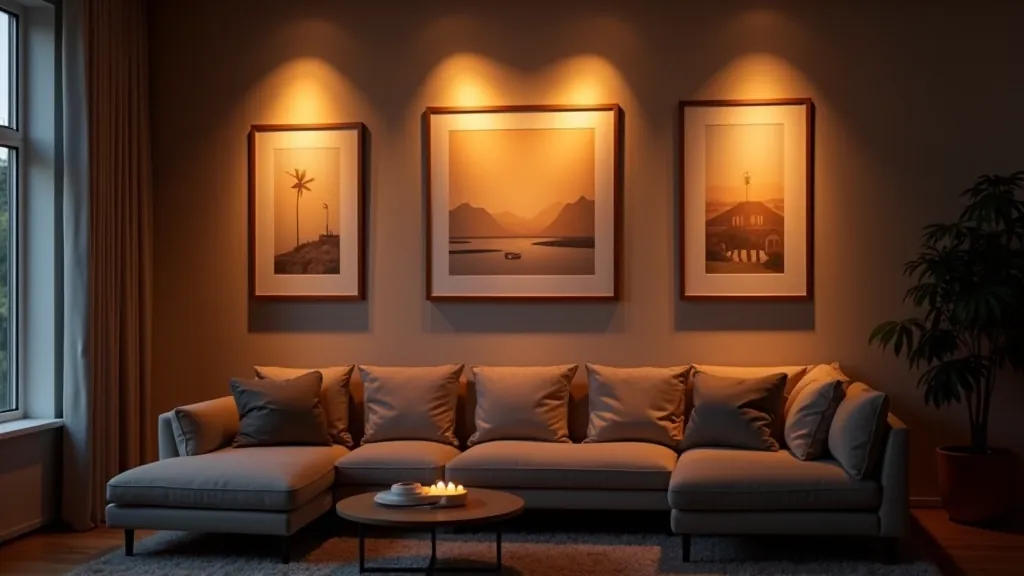
Look at your room's layout. Where do people actually spend time? Where do activities happen? A living room's focal points differ from a kitchen's work zones. Understanding how you use each space determines where you'll need each light layer.
Install ambient lighting that distributes evenly across the entire room. Ceiling fixtures work for some spaces, while recessed lights or track systems provide more control. Aim for light that reaches corners and edges without creating bright spots.
Position focused lights where work happens — desk lamps at work surfaces, under-cabinet lights in kitchens, vanity lights in bathrooms. These fixtures should be bright enough for the specific task and positioned to minimize shadows.
Finally, add decorative lighting that highlights what makes your space special. Picture lights, wall washers, or decorative fixtures create visual interest and depth. These are often the last details but they completely change a room's character.
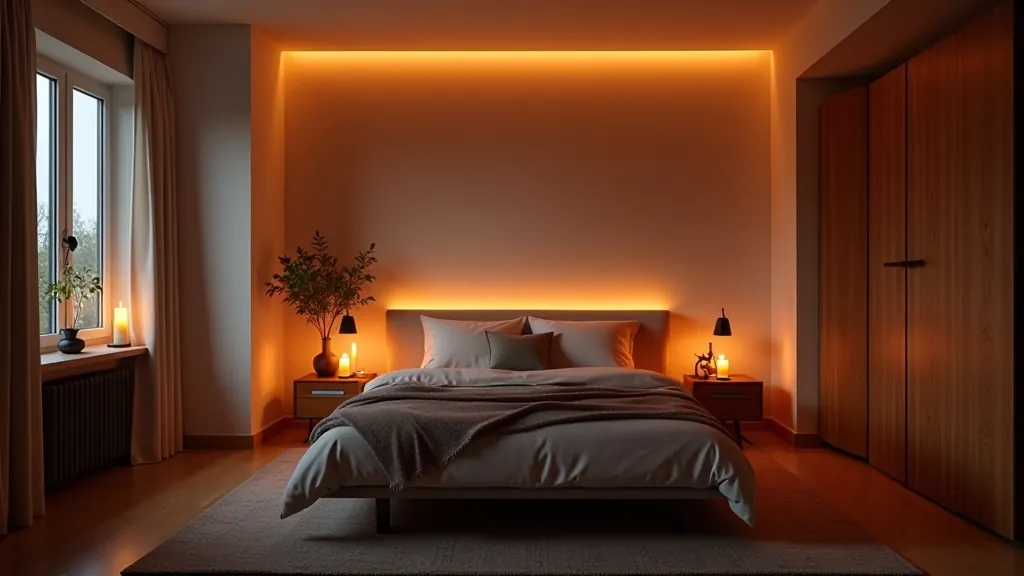
Here's where layered lighting becomes genuinely practical. The same room serves different purposes throughout the day, and your lighting should adapt accordingly. You're not redesigning anything — you're just adjusting what's already there.
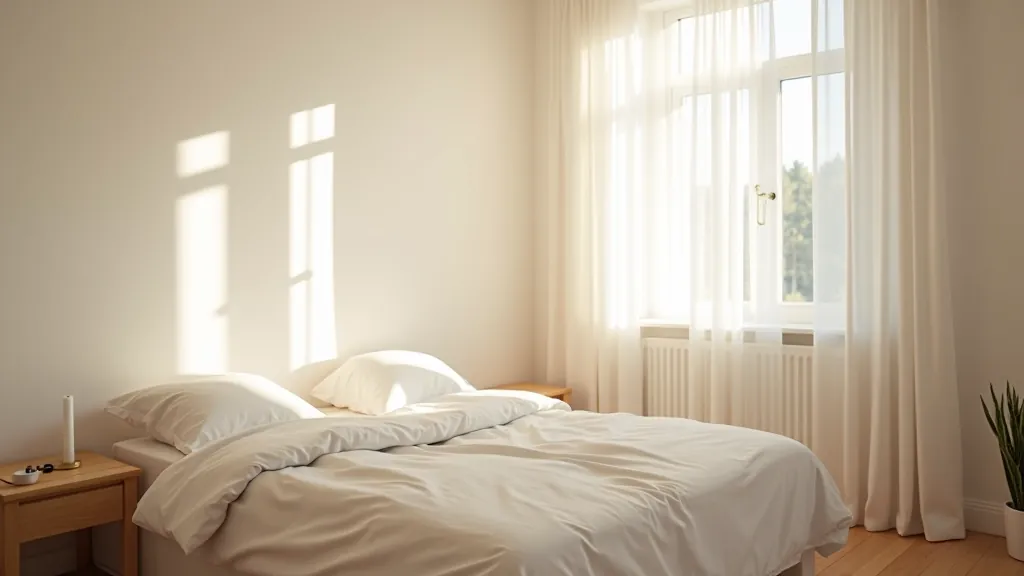
Turn on full ambient lighting plus task lights. Brighter, cooler-temperature light (3500-4000K) wakes you up and energizes. Skip accent lighting — you don't need extra visual stimulation first thing.
Combine full ambient with focused task lighting wherever you're working. The two together prevent eye strain and provide the brightness needed for concentration. Accent lighting stays minimal — you're focused on function.
Dim your ambient light and rely more on accent lighting plus strategic task lights. Switch to warmer color temperatures (2700K or even 2200K). Your eyes adjust to lower light levels within about 20 minutes, making this feel completely natural.
Minimize overall light levels. Use only accent lighting and the warmest task lights (like a reading lamp). Consider warm light sources like candles alongside electric lighting. This signals your body it's time to sleep.
This article provides educational information about lighting design principles and is intended to help you understand how layered lighting works. Actual electrical installation, wiring, and fixture mounting should always be performed by licensed electricians in compliance with local building codes and safety regulations. When planning your home lighting system, consult with qualified professionals to ensure safe, code-compliant installation.
Layered lighting isn't about buying expensive fixtures or complex systems. It's about thoughtfully combining three types of light — ambient for general illumination, task for specific activities, and accent for atmosphere — so your home adapts to how you actually live.
Start by assessing what you currently have, then identify gaps. Maybe you need better task lighting at your desk, or accent lights to highlight features you love. You don't have to install everything at once. Building a complete layered system gradually actually works better — you learn what works for your space and adjust as you go.
In Latvian homes where winter brings long dark hours, investing in flexible, well-planned lighting makes a genuine difference in how spaces feel and function. You're not just seeing better — you're creating environments that support your mood, your activities, and your connection to the space itself.