Latvian Candle Traditions and Modern Warm Lighting Design
Explore how traditional Latvian candle customs blend with contemporary interior lighting to create authentic, warm atmospheres.
Practical strategies for capturing and enhancing natural daylight throughout winter and summer, accounting for Latvia's unique seasonal light patterns.
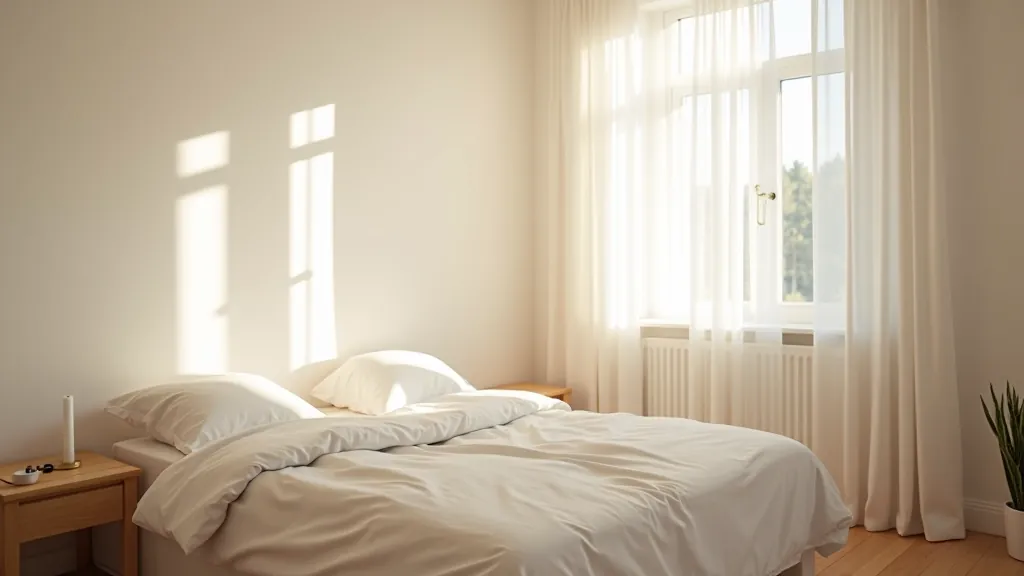
Living in Latvia means dealing with dramatic seasonal shifts in daylight. Winter days are short—we're talking about just a few hours of actual sunlight. Summer, on the other hand, brings those magical white nights. This isn't a problem to fix. It's a pattern to work with.
Natural light doesn't just brighten your space. It affects your mood, your energy levels, and how your home actually feels. When you're intentional about capturing what daylight you've got, you're not just making rooms look better. You're creating healthier, more livable spaces.
Before you start rearranging furniture or picking paint colors, you need to understand what light you actually have. Not all windows are equal. A north-facing window in Riga gets consistent but cool light. South-facing windows? They're precious. They're where most of your real daylight comes from.
Spend a few days just observing. Watch where light moves through your rooms at different times. Take photos. Notice which spaces feel brightest at 2pm versus 10am. This observation is worth more than any guide. You'll start seeing patterns—maybe a corner stays dark all winter, or a hallway gets decent light only for an hour in early afternoon.
The goal here isn't to fight your home's natural light patterns. It's to work with them. Some rooms will always be darker. That's fine. Other rooms can become genuinely bright spaces if you know how to optimize them.
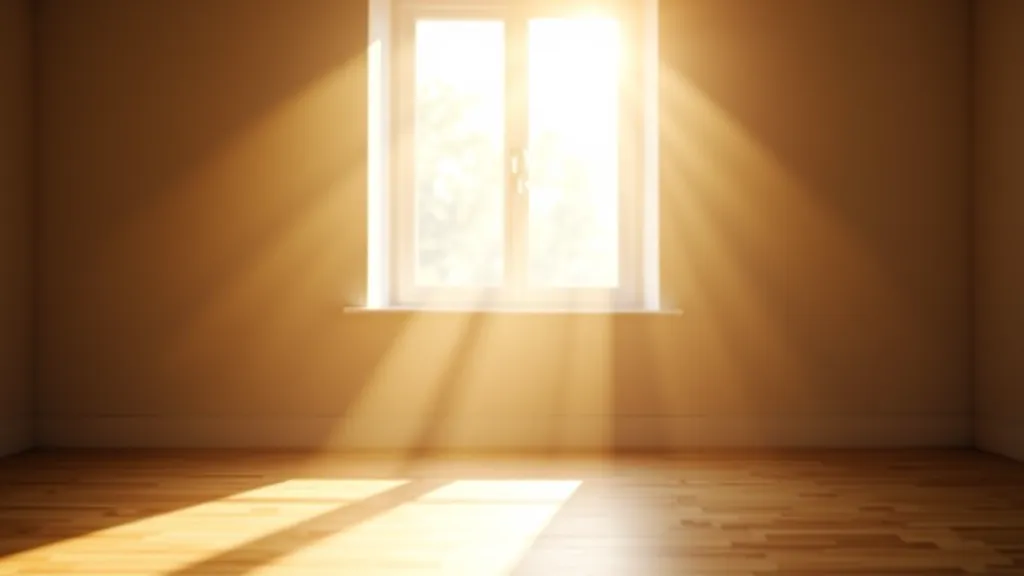
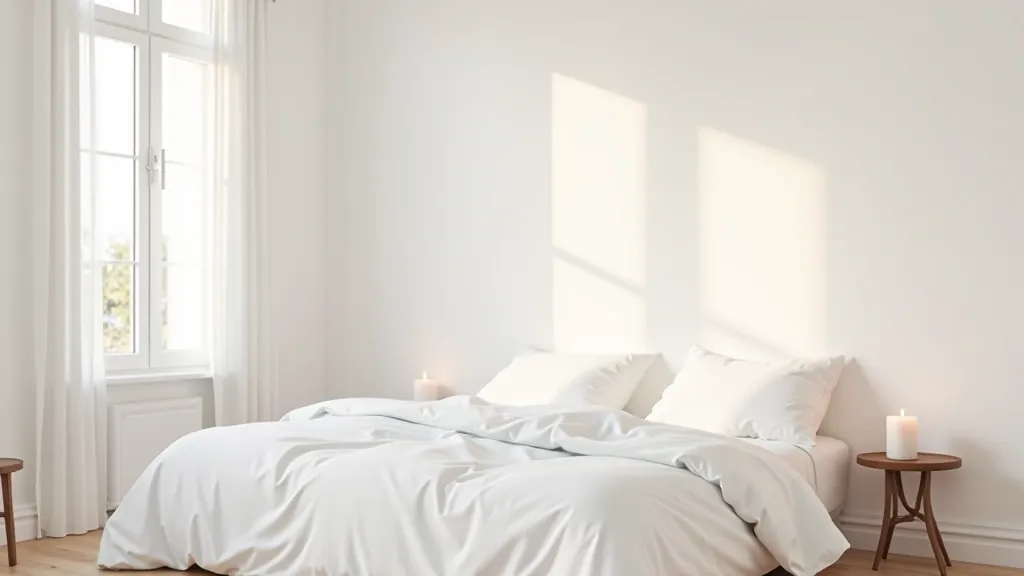
Here's something that changes everything: your walls don't have to be white. But they do need to reflect light. Light colors—soft creams, pale grays, warm whites—bounce natural light around the room. Dark colors absorb it. In Latvia's darker months, this difference is genuinely noticeable.
Think about what's in your line of sight from the main windows. Heavy curtains? Dark furniture blocking the light? Those choices make sense if you need privacy or heat retention. But if you're chasing natural light, they're working against you. Sheer curtains let light through while still giving privacy. Light-colored blinds reflect rather than absorb. A piece of furniture in front of a window? That's light you're blocking.
We're not saying you need to live in an empty white box. But being intentional about what's in front of your windows and how your surfaces reflect light—that's where you'll see real change.
Your window treatments are doing two jobs at once. They need to control light and heat, sure. But they also need to let light in when you want it. Heavy thermal curtains are practical for winter—they keep warmth in and drafts out. But during the day? Open them fully.
Roller blinds in light colors work well. They roll up completely, giving you full window access during daylight hours. You get all the light, and you can still close them at night for warmth and privacy. Sheer fabric on the windows during winter lets diffused light through while maintaining some privacy. Come summer, you might want heavier options for the white nights.
The rhythm of opening and closing your window treatments matters. It's not something you set and forget. Morning light is free heat and mood boost. Taking advantage of it for even a few hours daily adds up.
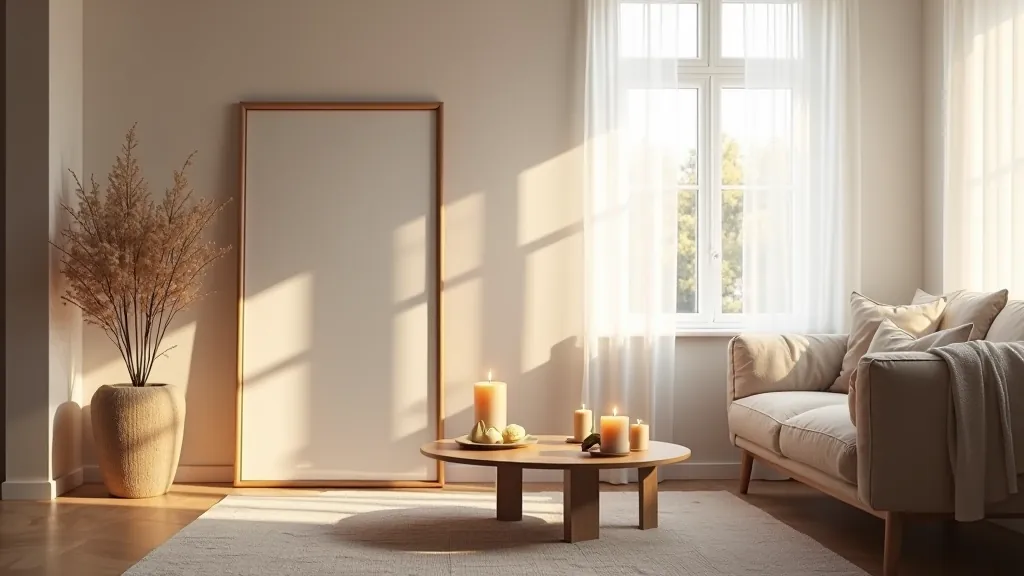
Mirrors are one of the oldest tricks for making spaces feel brighter. A well-placed mirror opposite a window bounces light deeper into the room. You're not creating light—you're extending it. In rooms that are naturally darker, this is genuinely useful.
But placement matters. A mirror facing a blank wall? It just reflects wall. A mirror positioned to catch the window view and bounce it across the room? That's what you're after. Large mirrors work better than small ones. Framed mirrors in light materials feel less heavy than dark wooden frames that absorb light.
Reflective surfaces go beyond mirrors. Glossy paint finishes bounce light more than matte. Polished wood floors reflect more than stained. Glass tabletops, metallic accents, light ceramic pieces—they all play a role. You're building a system where light bounces and travels rather than getting absorbed.
The strategies in this guide are based on established principles of lighting design and Latvian climate patterns. Results depend on your specific home's architecture, orientation, and existing conditions. Some changes require physical modifications—replacing windows or adding skylights—that should be handled by qualified professionals. For major renovations, consult with an architect or lighting designer familiar with Baltic climate conditions.
Maximizing natural light in a Latvian home isn't about fighting the seasons. It's about adapting. Winter demands different strategies than summer. What works in December—dark heavy curtains for warmth—doesn't make sense in June.
Start with observation. Spend time in your rooms at different times of day. See where light naturally flows. Then make intentional choices about colors, surfaces, window treatments, and reflective elements. These aren't expensive changes. Paint, mirrors, rearranging furniture—most of it costs nothing or very little.
The payoff is real though. Spaces feel more open. Your mood lifts when you're in naturally bright rooms. Winter feels less oppressive. Summer's extended daylight becomes something you can actually use because your space is designed to work with it.
Your home's light is a resource. The strategies here help you use it well.