Latvian Candle Traditions and Modern Warm Lighting Design
Explore how traditional Latvian candle customs blend with contemporary interior lighting for authentic warmth and cultural connection.
Discover how warm color temperatures and strategic placement of light sources make functional spaces feel inviting while maintaining productivity and visual comfort throughout the day.
The right lighting transforms how you feel in a room. It's not just about seeing clearly — it's about creating an atmosphere that supports both focus and relaxation. We'll explore how warm lighting works, why it's so effective, and exactly how to set it up in spaces where you work and unwind.
Warm light, typically in the 2700K to 3000K color temperature range, mimics the natural warmth of sunset and firelight. This is why it feels so inviting. When you're sitting under harsh, cold fluorescent lights, your body stays in alert mode. But with warm lighting? You'll notice yourself relaxing, focusing better, and actually enjoying the time you spend in that space.
Color temperature is measured in Kelvin (K). Lower numbers mean warmer, more orange light. Higher numbers mean cooler, bluer light. This matters because your brain responds differently to each.
At 2700K, light resembles candlelight and incandescent bulbs. This is the sweet spot for living rooms and bedrooms. At 3000K, you get slightly more brightness while keeping that cozy feel. Above 4000K, light becomes clinical and energizing — useful for kitchens and bathrooms, but not what you want when you're trying to relax or focus on creative work.
The key insight? Don't mix color temperatures in the same space. If you're using 2700K overhead and 4000K task lighting, your eyes won't know which signal to follow. Pick one temperature and stick with it across all your light sources in that room.

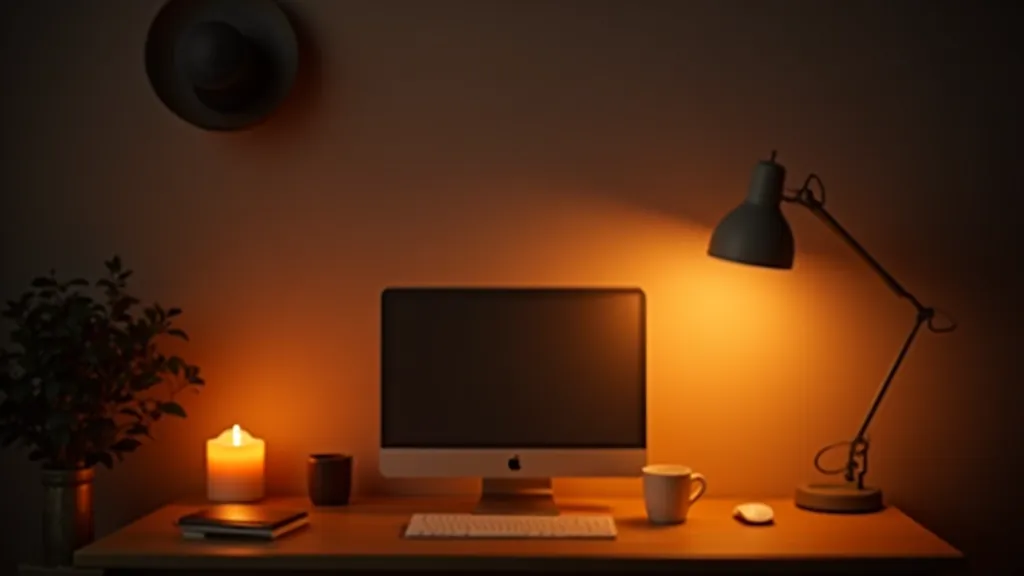
Professional designers use a three-layer approach, and you can too. It's simpler than it sounds.
Your baseline illumination. This might be a ceiling fixture or wall sconces. It sets the mood for the entire room and should be dimmable if possible. Aim for soft, even coverage without creating harsh shadows.
Focused light where you actually work. A desk lamp is the obvious choice, but it could also be under-cabinet lighting in a workspace or a reading lamp beside a chair. This layer gives you the brightness you need for detailed work without flooding the entire room.
This is optional but transforms a space. A small lamp on a shelf, wall washers, or uplighting behind furniture adds depth and visual interest. It's what makes a room feel designed rather than just lit.
Where you put your lights matters as much as what type they are. Think about how light moves through your space.
For work spaces, position task lighting at a 45-degree angle to your work surface. This prevents glare and shadows on what you're looking at. Your ambient light should come from at least two different points — opposite corners if possible — so you avoid creating dark zones.
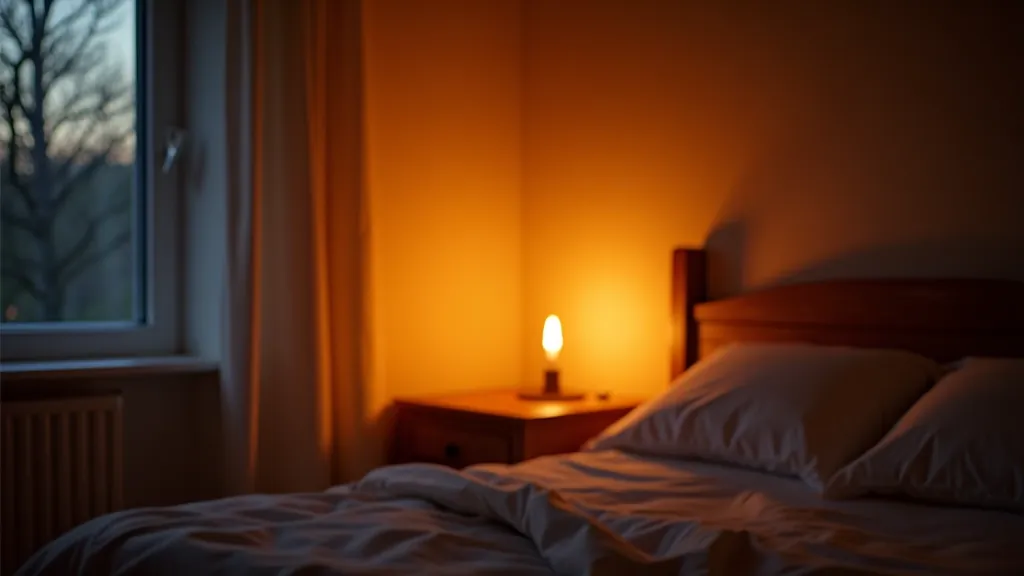
In relaxation spaces like bedrooms, push light sources toward the edges. Instead of a bright center ceiling light, use wall-mounted reading lights, bedside lamps, and perhaps a dimmer-controlled main fixture. This creates pools of warm light that feel intimate rather than exposed.
A practical tip: stand in the space at different times and angles. Where does glare hit? Where are shadows? This tells you exactly where to add or adjust lighting. You'll often find that moving a lamp just a foot or two makes a dramatic difference.
Not all warm bulbs are created equal. You've got options, and understanding them helps you get exactly what you want.
LED bulbs are your best choice for warm lighting. They're energy-efficient, last for years, and come in every color temperature you'd want. When shopping, look for the Kelvin rating on the package — aim for 2700K or 3000K. Also check the CRI (Color Rendering Index). Higher is better; you want at least 80, ideally 90+. This ensures colors in your space look natural and true, not washed out.
For fixtures, consider the shape and direction of light. Frosted shades diffuse light evenly. Shades with warm-colored interiors amplify the warmth. Adjustable fixtures give you flexibility — sometimes you want light directed down, sometimes up or sideways. A good desk lamp should swivel and adjust height so you can fine-tune it for different tasks.
Dimmer switches deserve special mention. They're game-changers. Being able to adjust brightness means one lighting setup works for focused morning work and relaxed evening wind-down. Make sure your bulbs are dimmable-compatible — most modern LEDs are, but check the packaging.
Let's get concrete. Here's how to set up warm lighting in the spaces where you actually live.
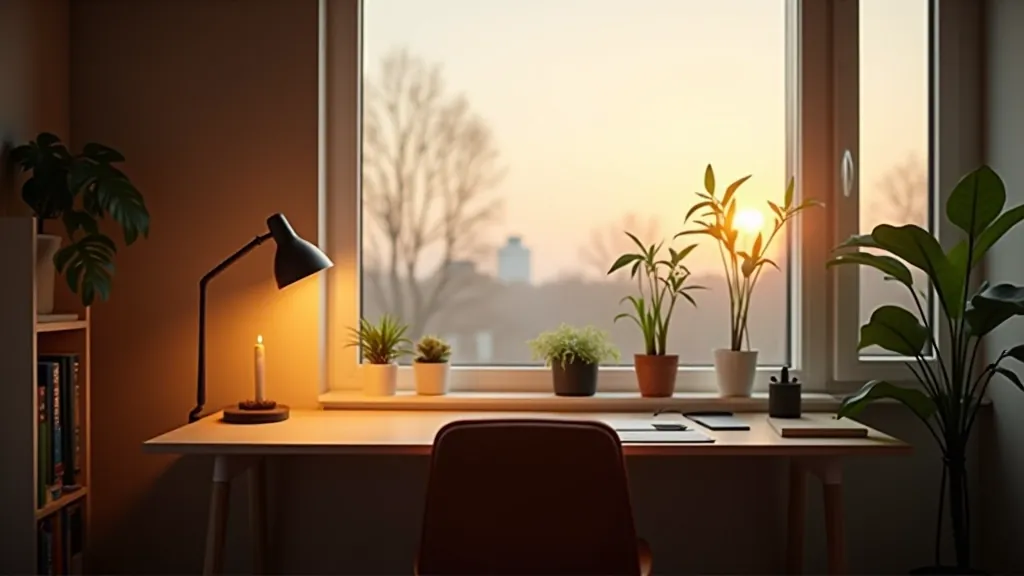
Start with a dimmable ceiling fixture or track lights at 2700K as your ambient layer. Add a task lamp on your desk — adjustable is essential. Position it to the side, angled slightly down. Include a small accent light on a shelf or corner to soften shadows. Total: three light sources. Cost? Usually €80-150 if you're starting from scratch.
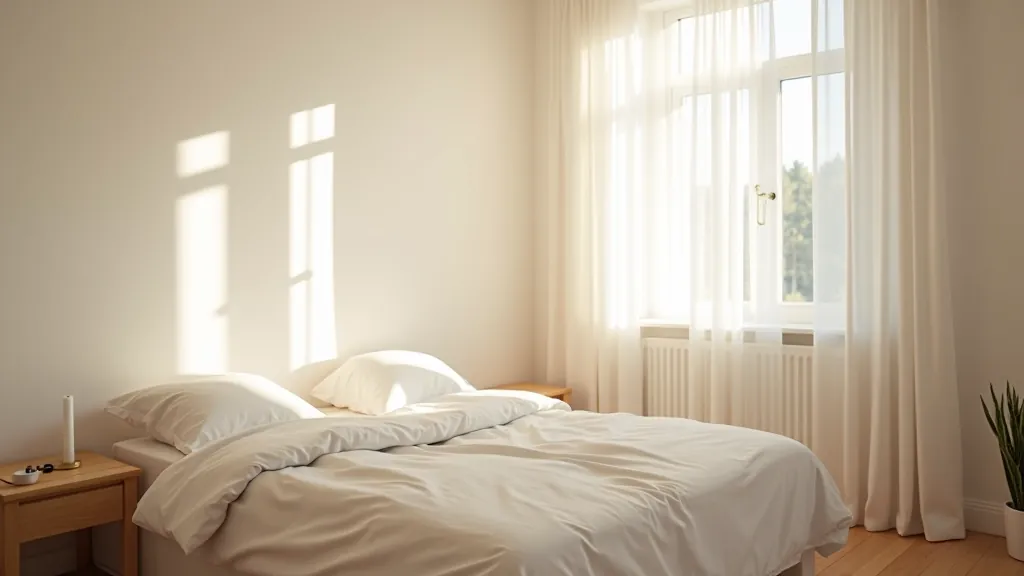
Skip the harsh center fixture if you can. Instead, use bedside lamps for reading and ambient light. Add wall-mounted sconces if your budget allows — they're elegant and functional. Include a dimmer-controlled overhead light for practical tasks like cleaning. All bulbs should be 2700K. The goal: bright enough to move around safely, but warm enough to support good sleep.
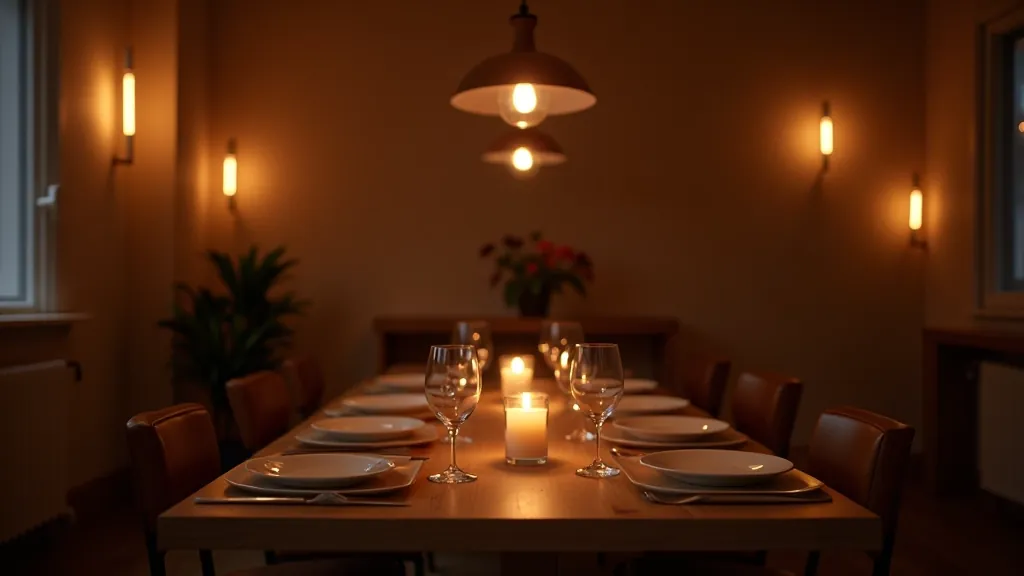
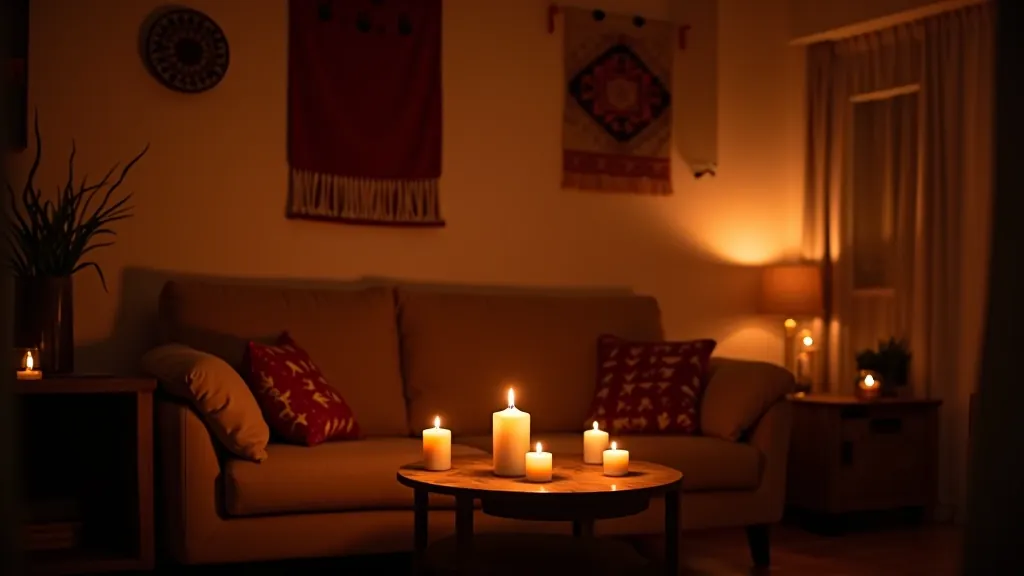
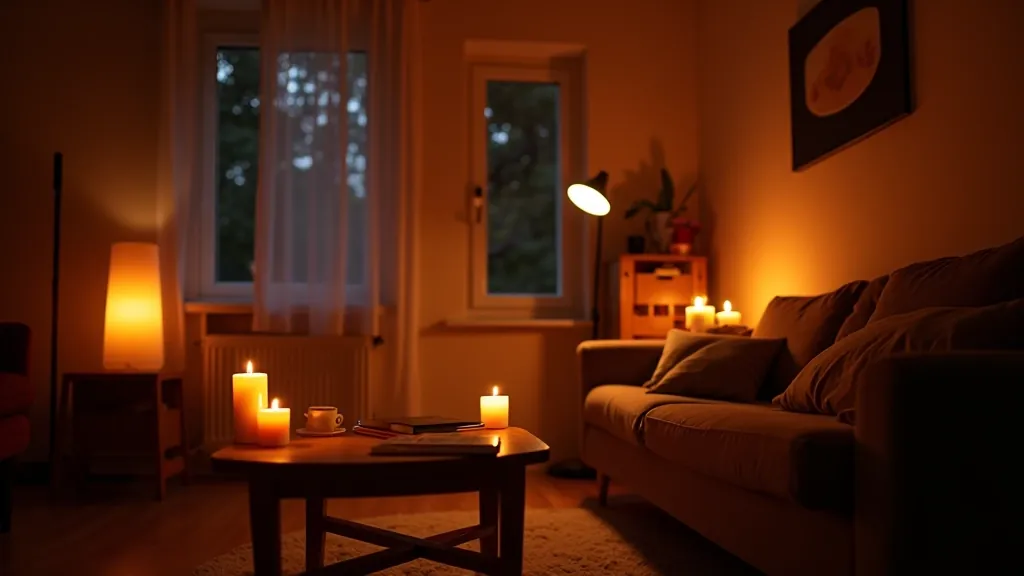
Combine overhead ambient light with floor lamps near seating areas. A lamp behind a sofa or in a corner adds depth. Use table lamps on side tables. All at 2700K. With dimmers on the overhead light, you've got flexibility — bright enough for guests and activities, dim enough for movie nights and relaxation.
Stick to 2700K-3000K color temperature for warm, inviting spaces that support both focus and relaxation.
Use three layers: ambient light for overall mood, task light for focused work, and accent light for depth.
Position lights strategically — avoid harsh shadows and glare by angling task lighting and distributing ambient light from multiple points.
Choose LED bulbs with CRI 80+ and invest in dimmers to adjust brightness for different times and activities.
This article provides educational information about warm lighting design principles and setup strategies. Individual results vary based on room size, existing architecture, personal preference, and budget. Always follow manufacturer guidelines when installing fixtures and ensure electrical work meets local building codes. For complex lighting projects, consulting with a professional lighting designer is recommended.